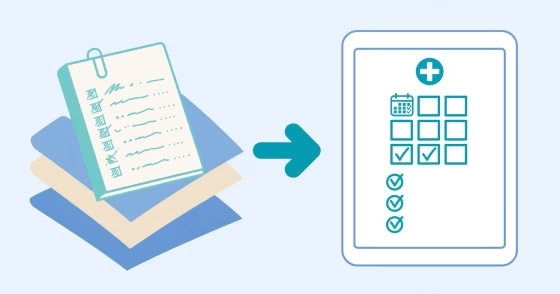

The difference between a clinic that knows its profit and one that thinks it does is a single five-minute procedure: a daily close that reconciles what entered the drawer against what the system recorded. Without it, gaps only surface months later, and by then it is impossible to tell where or why.
The shift close: five minutes that protect a month
At the end of each day the responsible person prints the collection report, physically counts the cash, and signs off any difference. A small recurring difference is more dangerous than one large one, because it points to a broken procedure rather than a one-off error. Make the close a condition of locking up, not a task for when there is time.
- A physical cash count against the system report.
- Card and transfer payments separated from cash.
- A signature on any difference, with its stated reason.
Revenue is not collection
The most common accounting error in clinics is treating cash received as revenue. A patient billed two thousand who paid five hundred means revenue of two thousand, collection of five hundred, and the rest receivable. Conflate the two and you will read a weak month when what you actually have is a weak collection month — and the remedy is entirely different.
Receivables are managed by age, not intention
Bucket receivables by age: under thirty days, thirty to sixty, and over sixty. Chase the oldest first, because the probability of collecting collapses with time. One weekly report in this shape recovers more than any amount of unstructured chasing.
Insurance claims are a separate ledger entirely
Insurance claims run a different cycle: submitted, partly rejected, resubmitted, settled weeks later. Keep them as their own account with a submission date and a status per claim. Mixing them into patient cash accounts is exactly what makes clinic numbers impossible to read.
If you want to start with a spreadsheet before a full system, there are ready-made sheets in the store, and once you need full accounting integration see management systems.